Kevin Korpi
Product Designer + Photographer
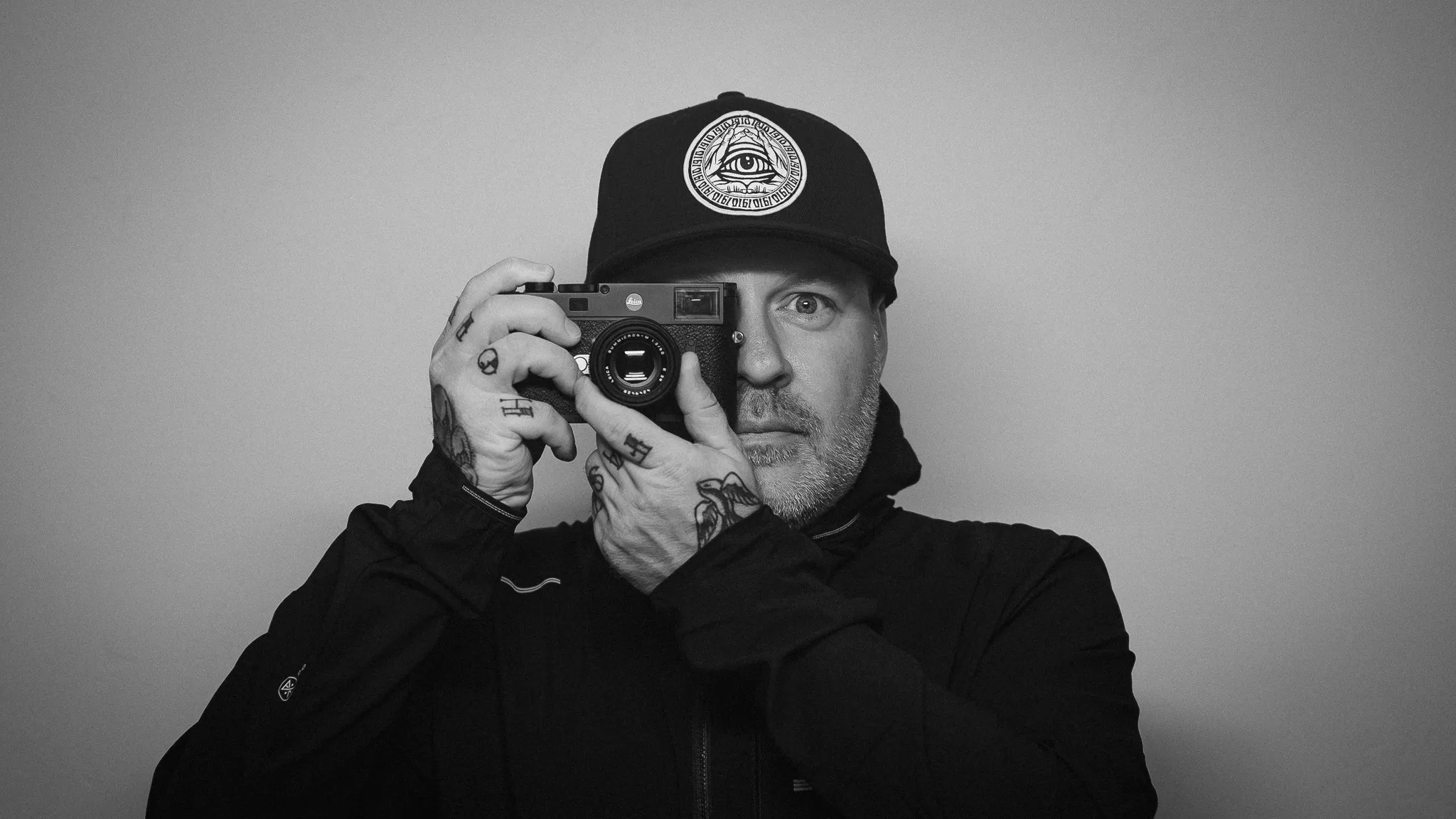

I've been designing 0→1 products for 25+ years. Software, hardware, cameras, creator tools, AI. After bumming around as an English editor with my Pentax K1000 film camera and snowboard in Hokkaido, I got my start in Tokyo writing copy at a tiny Japanese studio, then slid into design and never really left, through a Tokyo agency running a bilingual design team, in-house at the usual big tech suspects, and startups since.
Seattle → Tokyo → Hokkaido → Tokyo → Seattle → Bend, Oregon. I was raised on skateboarding, snowboarding, and punk rock, and never outgrew any of it. Usually have a camera on me.
I work with founders on early-stage products through Hold Fast Studio. Mostly 0-to-1 work in hardware, software, and AI, where the org doesn't have a playbook yet. The next seat opens in early 2027.
Elsewhere
Highlights
- Hold Fast Studio My independent design practice.

A one-person studio for 0→1 work where hardware, software, and AI meet. I embed early with founders and product teams when they need a principal-level designer who ships, not a full-time hire. Most of the projects below since 2019 came through here.
- Primordial Soup Concept designs and an end-to-end formative research program for a generative film studio.
Embedded with the team at Darren Aronofsky's studio. Generative production doesn't fit the shapes of the traditional pipeline. The medium is still being invented, and so are the tools for making it. My work there settled into concept designs and an end-to-end formative research program, tool independent and LLM synthesized. Raw sessions in, a living library of the tasks and workflows that make up generative filmmaking out.
- Simular Multi-agent platform where agents do real work on their own computers.

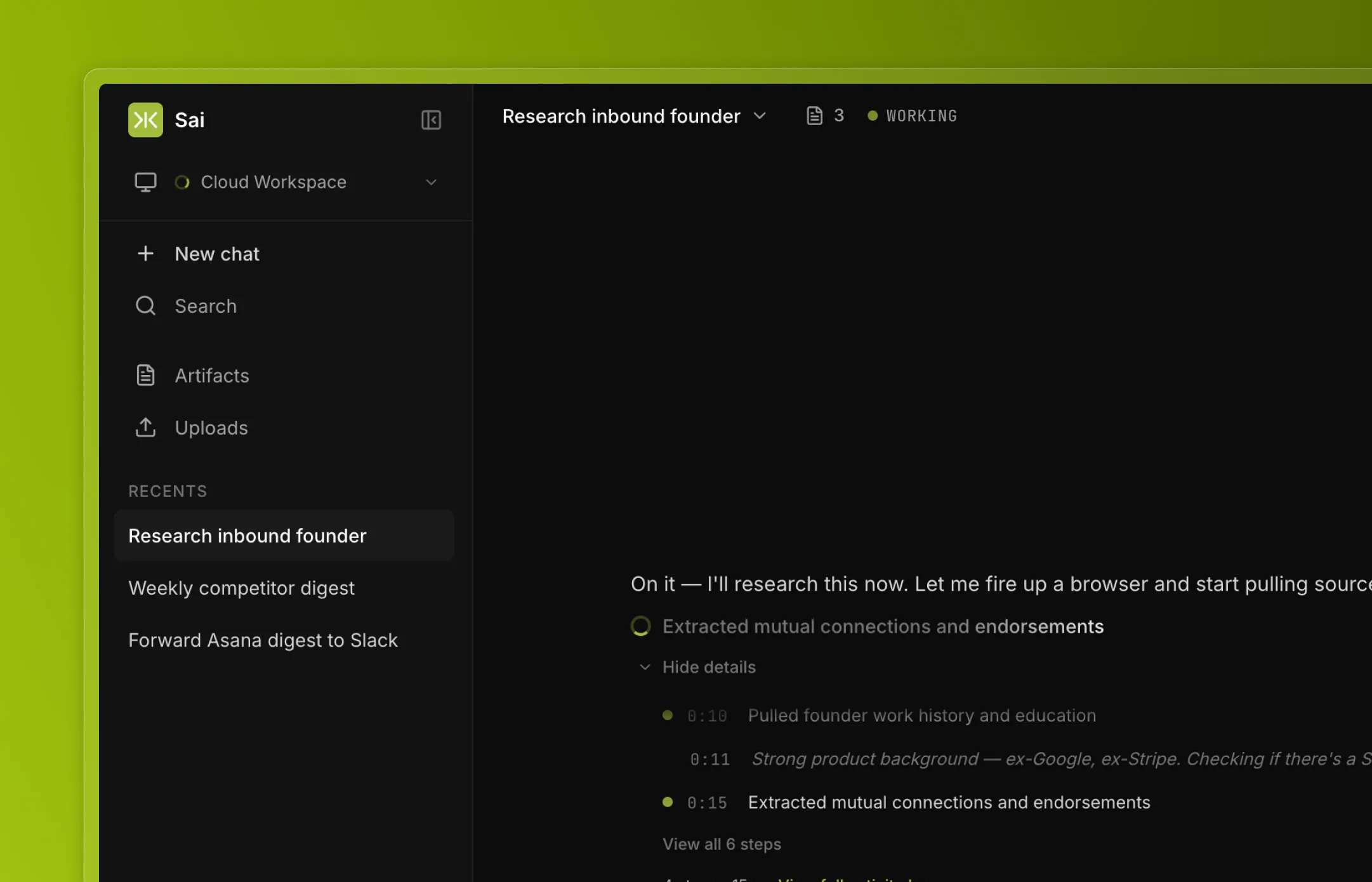
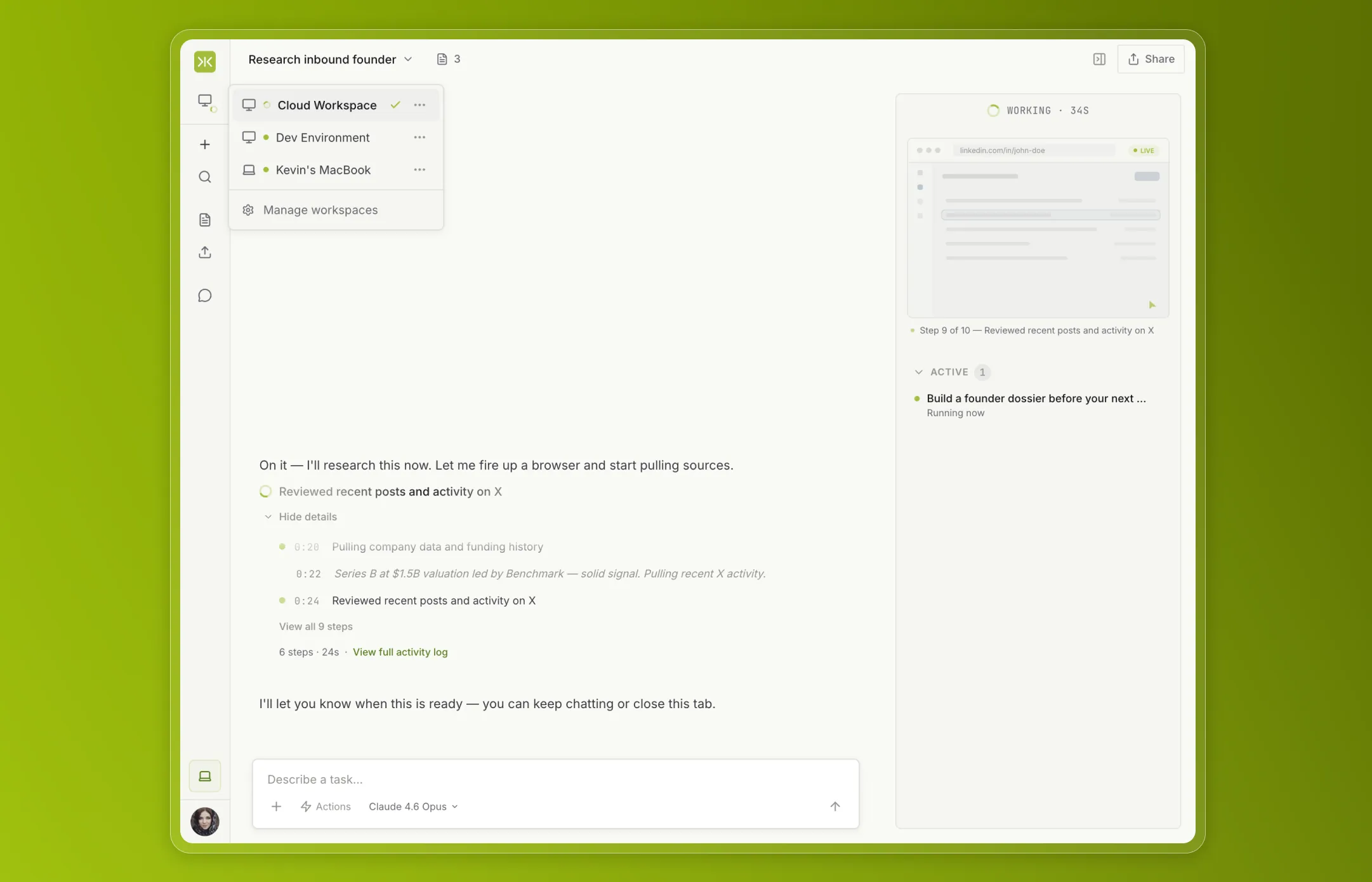

Designed Sai, Simular's agent product, from first sketch to shipped. The whole interface layer for working alongside an agent, what you see while it drives, when it asks before acting, how you step in, and how you teach it something new. I designed it by building it, a working prototype of the entire product from signup through daily use, made by directing AI agents daily. Legibility is the product. If you can't see what an agent is about to do and why, you can't let it run.
- Superpilot AI search visibility and landing page generation for ecommerce.
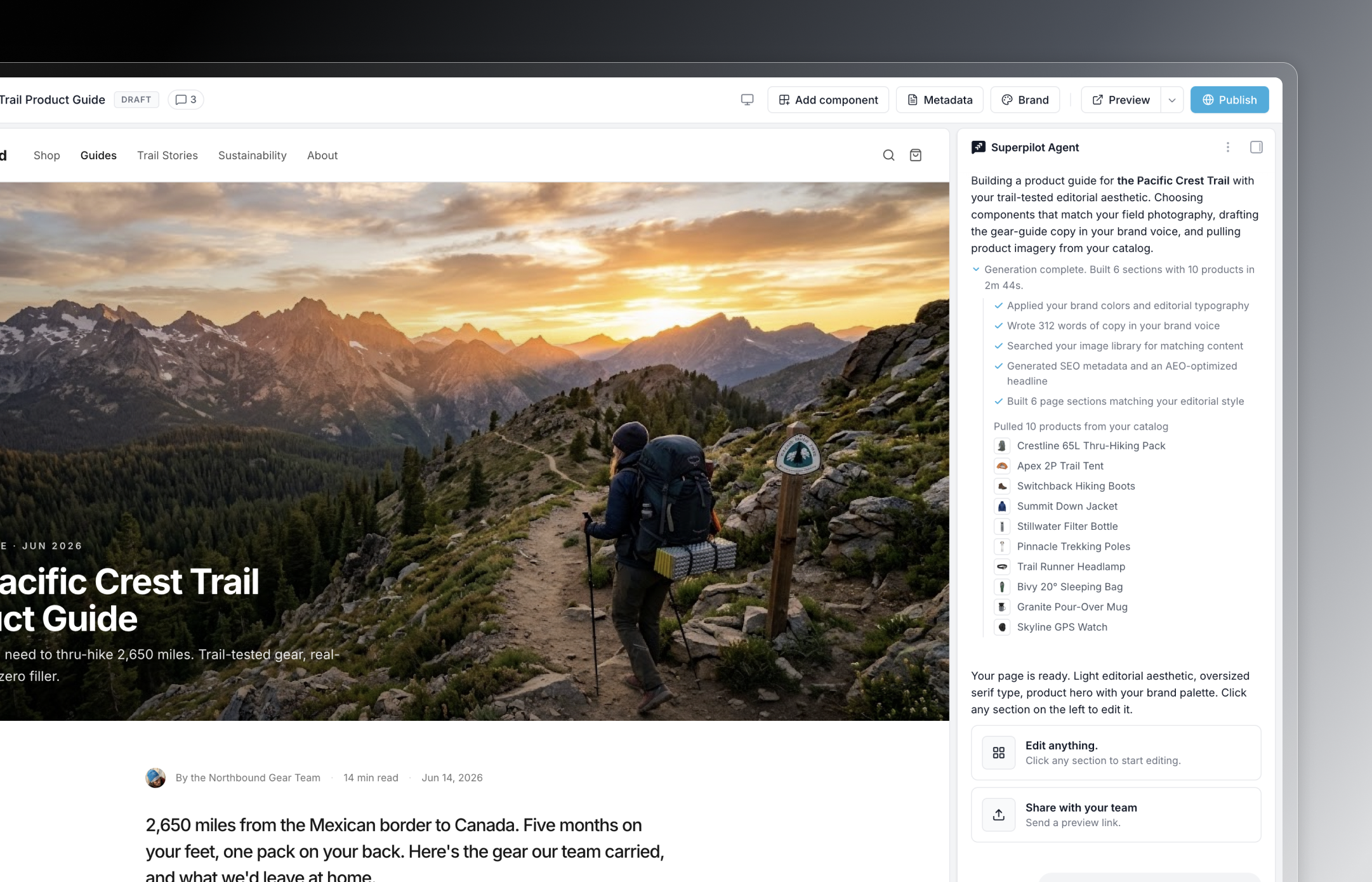

Superpilot helps brands show up in AI search. The product analyzes how a site performs across both traditional SEO and AI engines like ChatGPT and Gemini, then generates landing pages tied to real product catalogs and brand systems. Connected to Salesforce Commerce Cloud and Shopify, with ongoing monitoring of visibility and opportunities across terms. I worked on V1 product design and ongoing optimization of the platform.
- Onboard AI Multi-stakeholder workflows for a medical AI governance platform.

Onboard helps health systems document and stand behind their AI decisions across the full lifecycle: intake, committee review, ongoing oversight. Built for cross-functional committees (IT, legal, clinical, compliance) working asynchronously against frameworks like CHAI and NIST. Less compliance questionnaire, more living governance record. Used by Cedars-Sinai, VNS Health, and others.
- Adobe/Frame.io Senior Staff Designer working across sharing and review.

Senior Staff Designer at Frame.io. Led initiatives across asset share/review, generative AI features, and third-party integrations.
- Google Pixel Watch Freelance UX for next-gen AI features on Pixel Watch.

Contracted by Google for concept work for a future Pixel Watch generation. AI features on the wrist: what helps, what gets in the way, what a screen that small can hold without becoming useless.
- Branch Furniture Native iOS desk-connected posture sensing app.
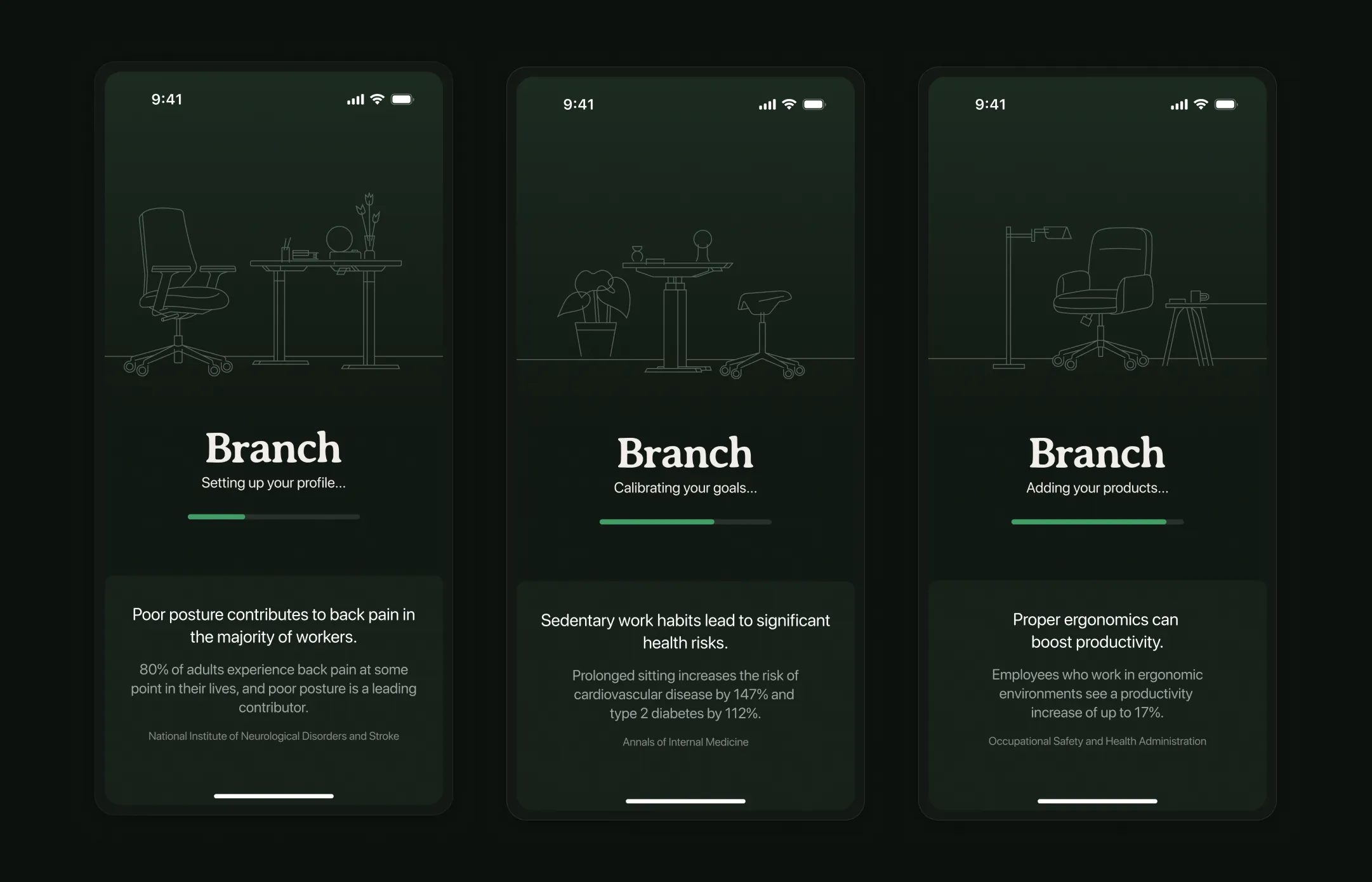
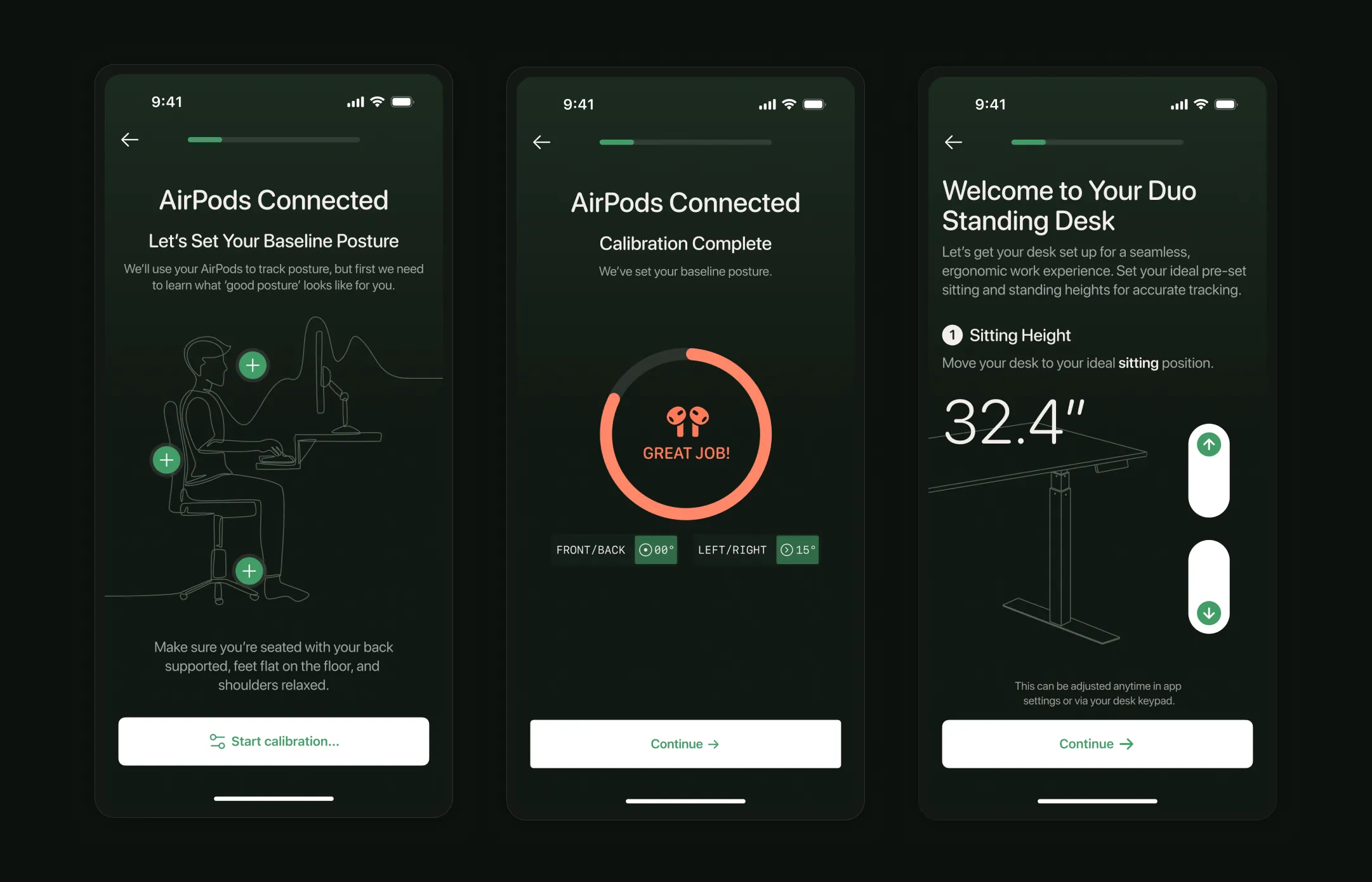
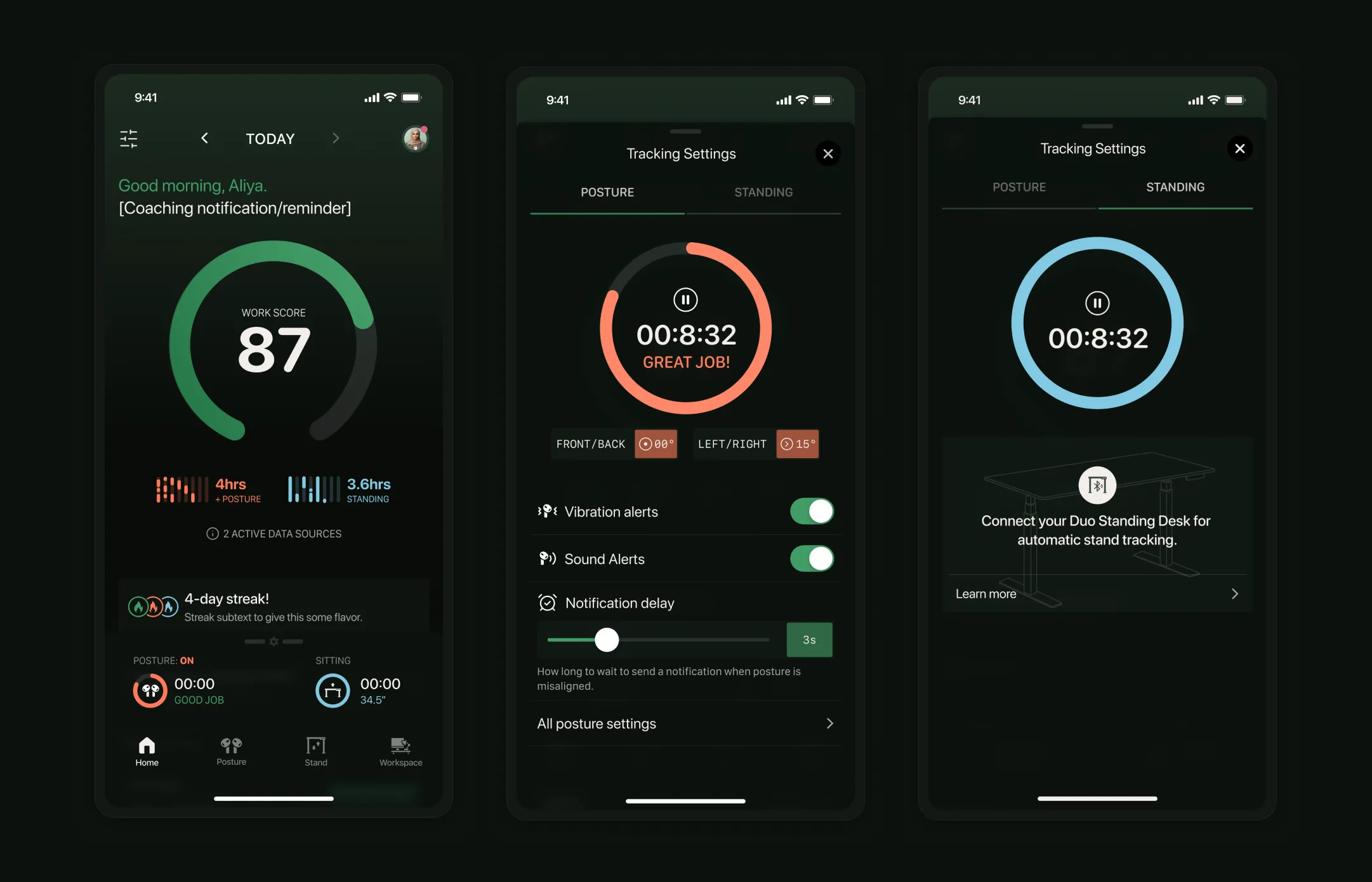
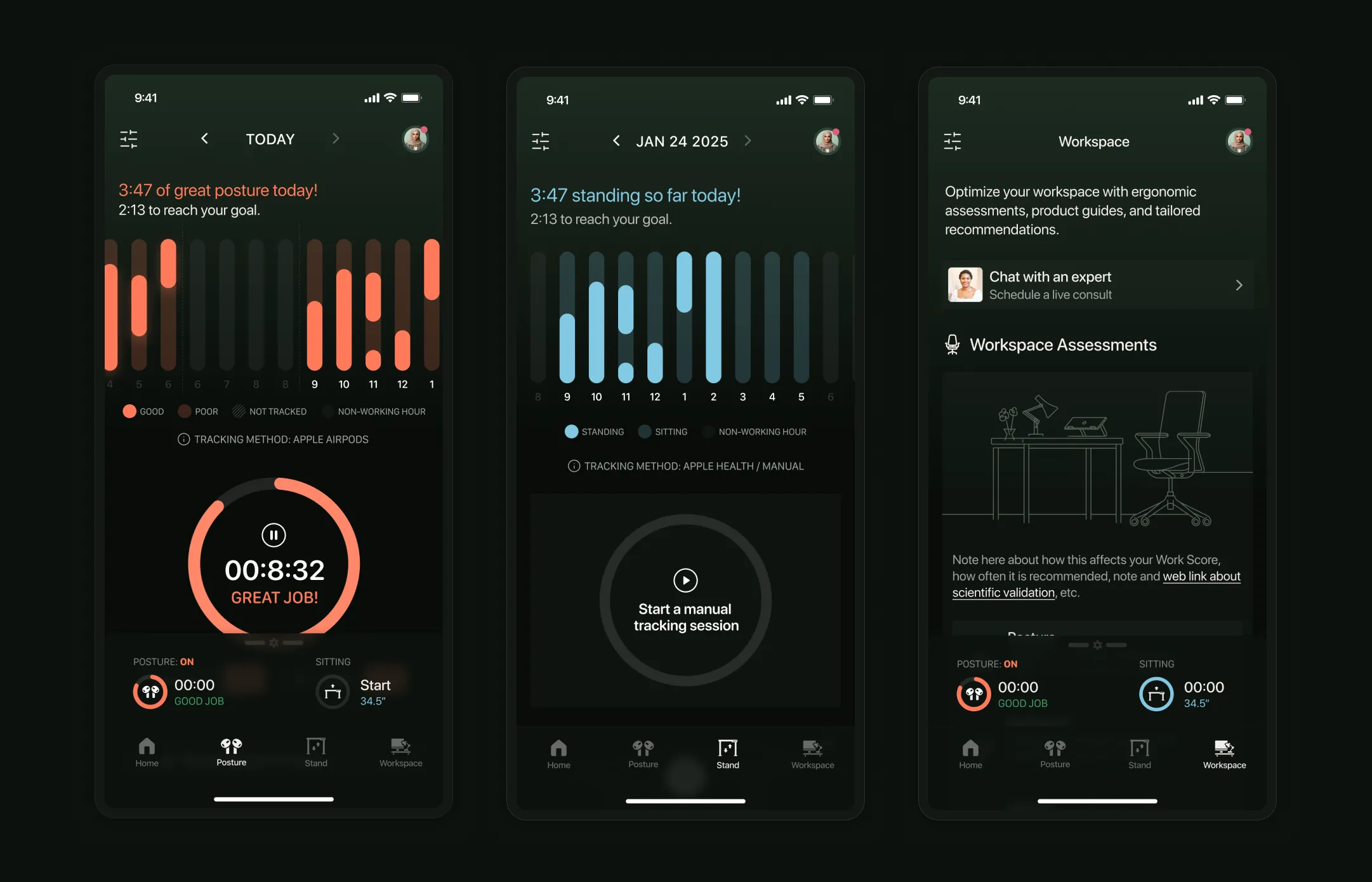

Branch makes furniture with sensors in them. I designed the iOS app that makes the sensor data worth having: real-time posture feedback via AirPods, standing cues, gentle streaks that don't guilt you into submission. First time I've designed for a desk. Ship-shape gamification without the dystopian nudge. Released and in active use.
- Hone Health Care plan experience for a precision healthcare platform.

Hone is a precision healthcare company treating men with hormone and metabolic conditions. I designed the Care Plan experience: how doctors deliver diagnoses and treatment to patients, custom data viz for biomarker test results, and the flow into the Premium subscription. The plan needed to feel clinical enough to trust and personal enough to actually read.
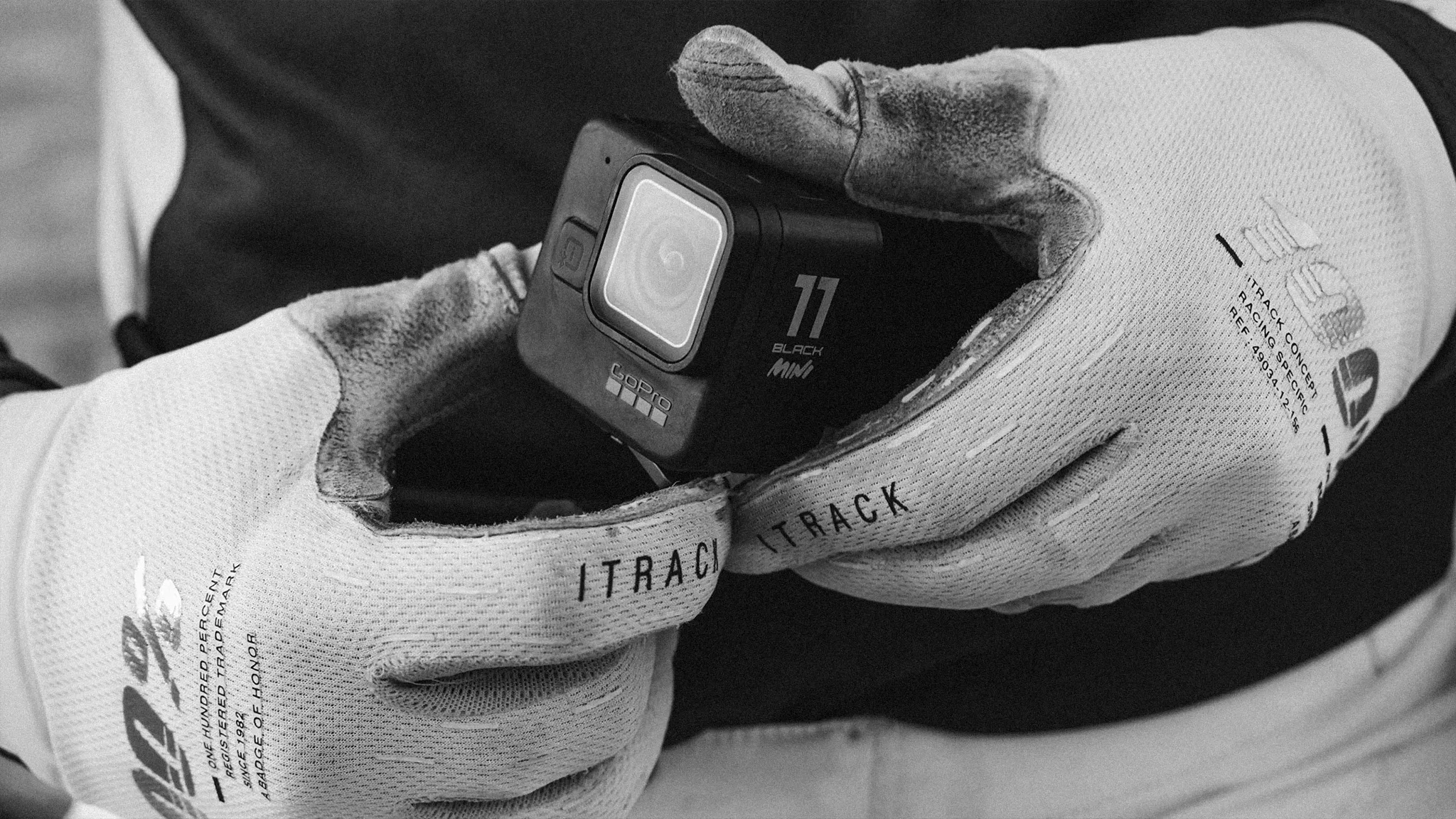
- GoPro Hero11 Black Mini On-device UX for a new compact camera.
GoPro wanted to ship a smaller, more durable Hero: no touchscreen, two buttons, 72×32 pixel two-color screen. The design problem was a full-featured camera UX on 8-bit hardware that a snowboarder in whiteout conditions could operate without looking. I led the UX end to end.
- Katalyst Out-of-box experience and first-run flow for an EMS workout suit.

Katalyst is a four-piece electrical muscle stimulation suit paired with an iPad app. The kind of product where every step from unbox to first workout has to land or the user bails. I worked on that arc: opening the box, getting into the suit, pairing it to the iPad, the calibration ramp, and walking a first-time user through their first session. Onboarding for hardware where the cost of a single rough step is "That hurt, I never wear it again."
- Google Fonts Lead Product Designer on the Google Fonts redesign.
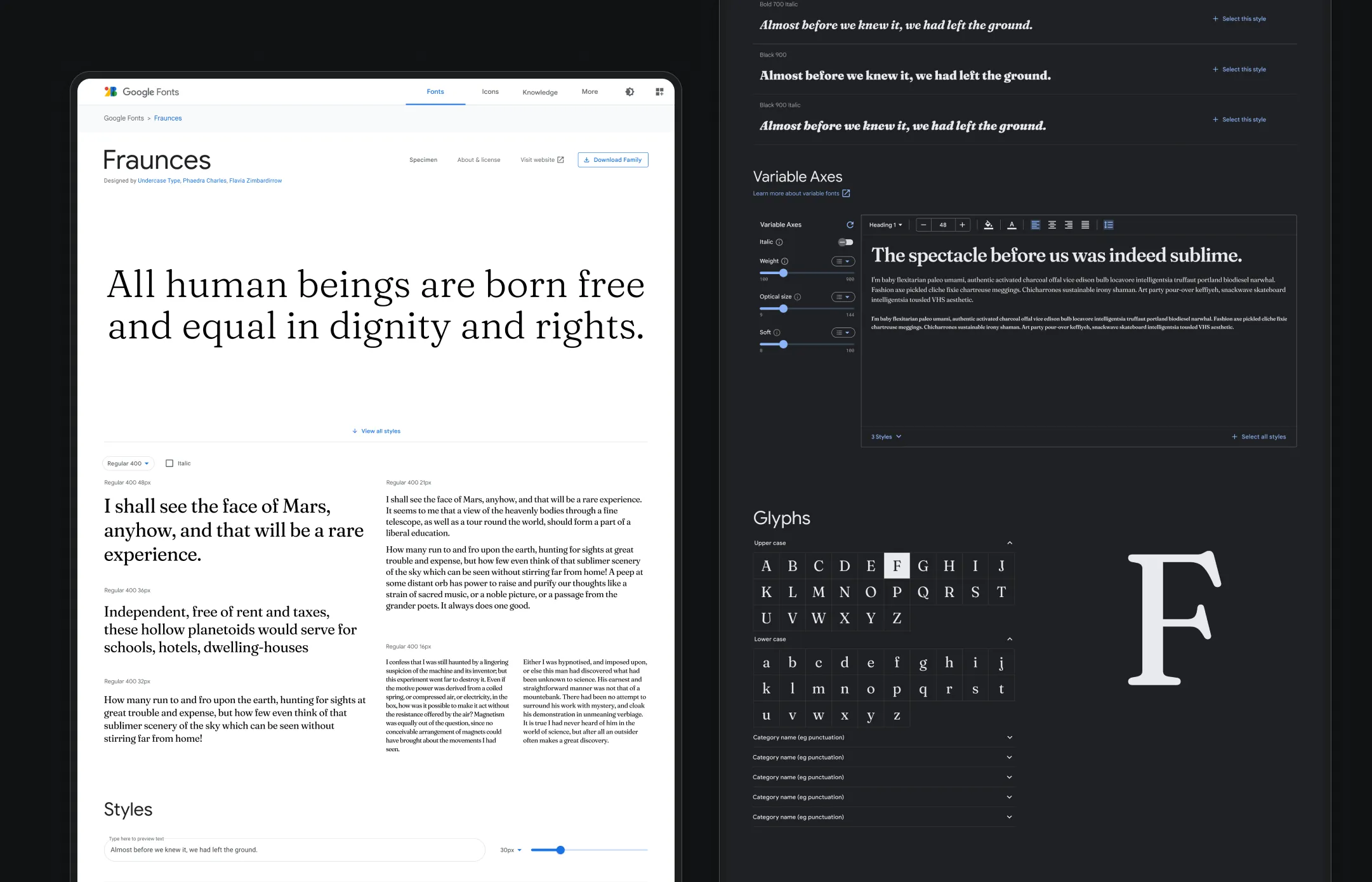
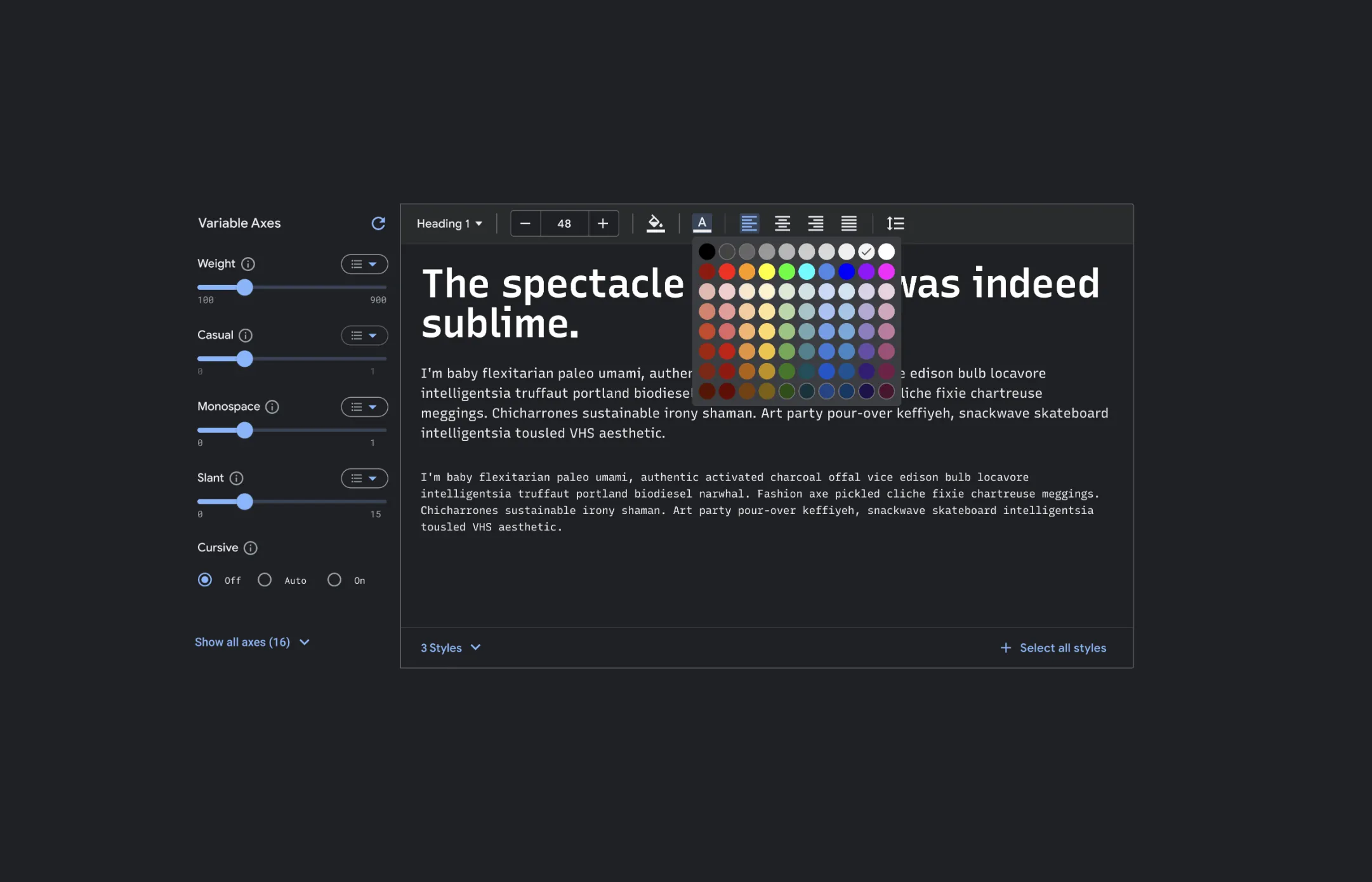

Redesign of the Google Fonts browse, specimen, and pairing experience. Tens of millions of designers and developers come through every month. The old surface was a grid of cards that hadn't kept up with variable fonts, icon fonts, or non-Latin scripts.
- Mapbox Multi-stop navigation and dispatch console for delivery fleets.
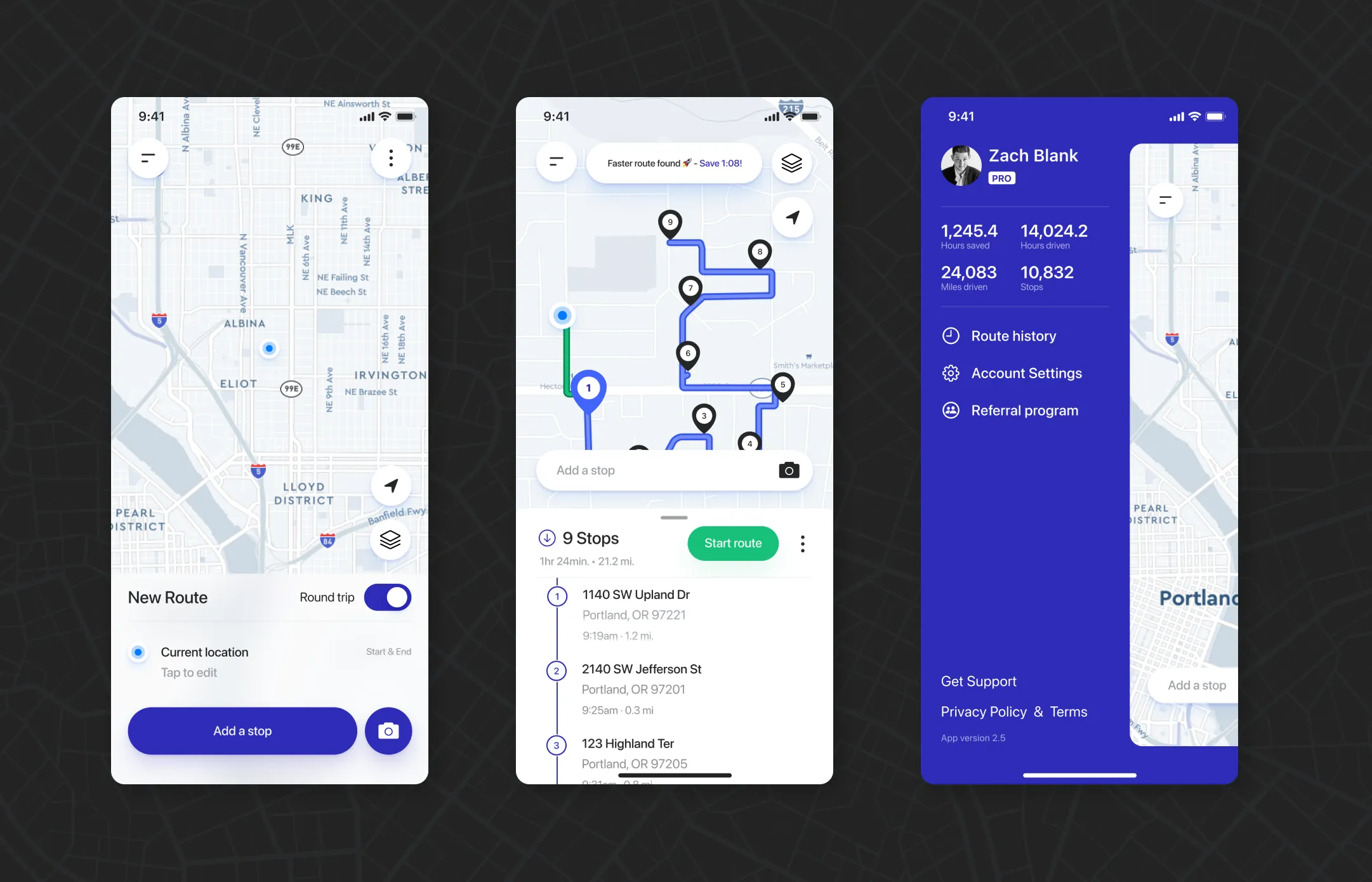

Straightaway was Mapbox's bet on a better experience for professional drivers. I designed the driver app and the planning/dispatch surface that fed it. Clients included FedEx, UPS, and USPS. The kind of users who notice every extra tap because they're doing it five hundred times a day.
- Skin Clinical AI-powered skin analysis and acne care subscription app.

Skin Clinical was a zero-to-one iOS app built around an AI model that analyzed a user's selfie, scored skin severity, and mapped problem areas back onto the photo. From there it sold them into a personalized subscription skincare plan they could track and re-test against over time. I designed the full experience: capture flow, analysis viz, results, and the ongoing routine.
- Dishlist Food discovery experiment inside Snap's R&D division.

Restaurant apps organize around restaurants; people crave dishes. Dishlist built discovery on photos of the food itself, curated by chefs and foodies. It shipped as a white-label app with no Snap branding, an experiment released into the wild.
- Nagarro AI Travel Concept AI travel assistant concept spanning planning, booking, and the trip.

Pure concept work for Nagarro's travel vertical. Travel apps at the time handled planning, booking, or the trip itself, and nothing connected all three. The concept was an AI messaging assistant that carried a traveler across the whole arc, from planning through booking to the trip underway.
- Moment Pro Camera Design Director and Head of Apps Products.

Moment was a hardware company that needed a software business. I led that zero to one: a pro camera app built around the thesis that creators wanted real tools, not filters. Manual controls, RAW, focus peaking, zebras, a histogram that didn't lie. SLR feel on a phone screen without making the phone screen feel like an SLR.
- Spare5 Human-in-the-loop platform for high-quality ML training data.

Spare5 was built around human-in-the-loop labeling for ML training data: the messy, judgment-heavy work that anonymous crowds couldn't reliably produce. Vetted, skilled contributors (writers, photographers, video editors, native speakers) earned small payouts on tasks that needed real judgment: writing image descriptions for Getty, trimming GoPro footage, calling hotels to verify Expedia listings. The design problem was making short, skilled tasks feel respectful and worth doing on both sides while producing the kind of clean, labeled data ML teams could actually train on. The company later rebranded as Mighty AI and was acquired by Uber for its self-driving training-data work.
- Microsoft Research Design on Microsoft's first conversational AI platform.

I helped design the work that became the Azure Bot Framework. Turn-taking, clarification, disambiguation, graceful failure, memory across turns. A lot of the patterns the industry rediscovered in 2023 were being fought about in that lab a decade earlier.
- Google Android Staff UX Designer on Android phone and contacts.
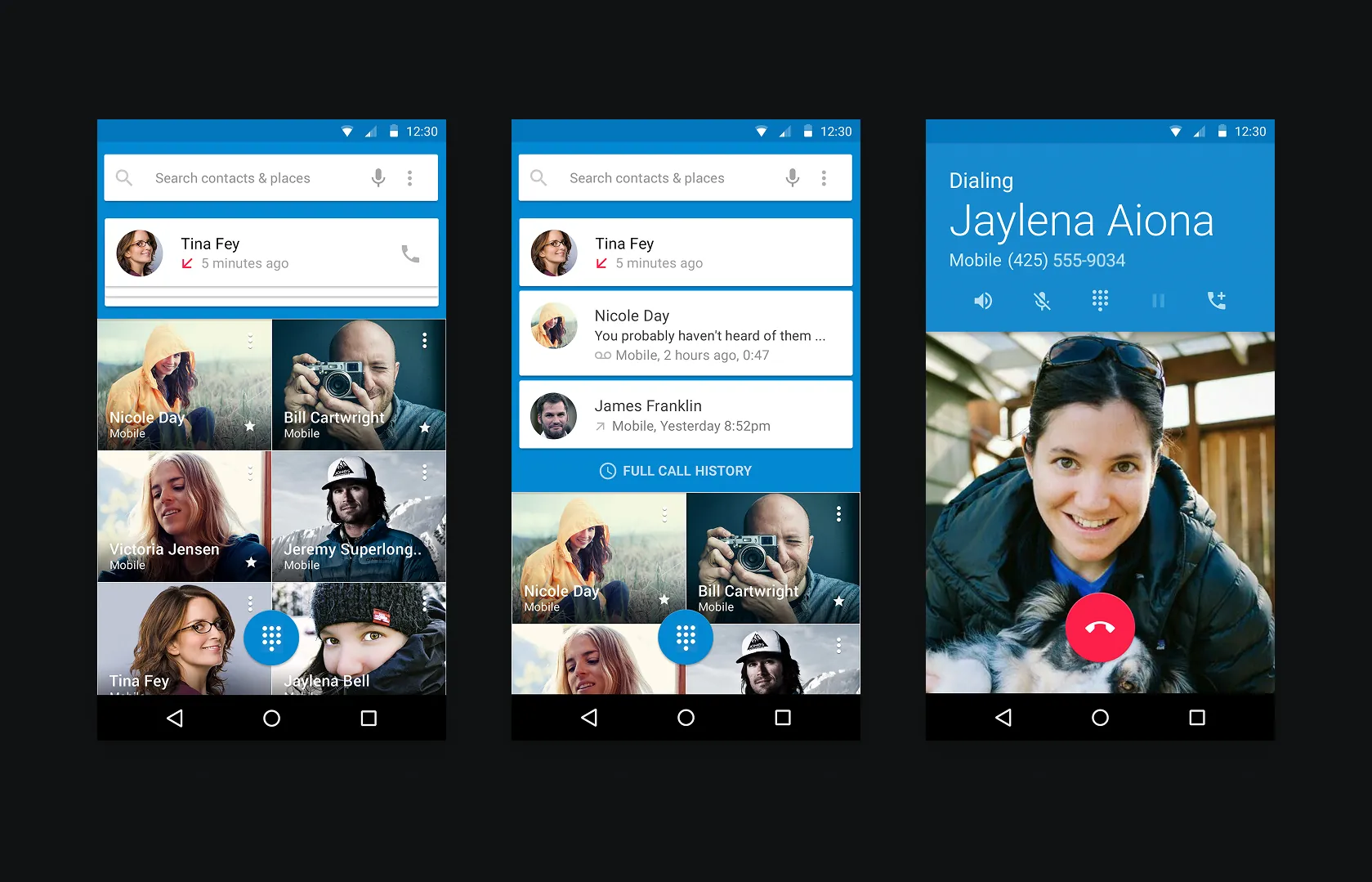

Staff designer on core Android, phone and contacts primarily. Shipped to the better part of a billion devices. Material Design era, when the platform was still figuring out what it wanted to be. Not glamorous. Bread-and-butter OS surfaces used billions of times a day. The kind of design that disappears when it's right.
- Contour Cameras Head of Product Design for a connected action camera.

Before "connected hardware" was a common term, Contour created one of the first action cameras. The problem? The camera had no screen and only three buttons, forcing users to connect to a computer to change any settings, a non-starter in the field. The challenge was to solve this by creating one of the first-ever connected camera and mobile app experiences.
- Kindle Fire Tablet Principal UX Designer on the original Amazon Fire Tablet.

On the design team for the original Kindle Fire. Amazon's first tablet, first color e-reader, first pass at a full-device operating system skinned over Android. Hardware and software shipping together on a deadline nobody wanted.
- Google Design on AdWords, Analytics, and Website Optimizer.

I led design initiatives on some of the company's most complex and highest-revenue tools. AdWords when AdWords was the business. Analytics when Analytics was new. Experimentation surfaces inside Ads. And Google Website Optimizer, a separate 0→1 project: the landing page experimentation framework for the rest of the web.
- Microsoft.com Lead UX Designer on Microsoft.com's global design system.
Led UX for Microsoft.com's global design system, taxonomy, and editorial standards across 37 countries. Designed community platforms, search interfaces, and RSS-based experiences (it was the mid-2000s, RSS was a thing).
- Renaissance iMedia Leading Design team at a fast-growing Tokyo agency.
Joined a small Tokyo agency that grew, while I was there, from a handful of people into a 70+ person consultancy working with brands from Timex to Bloomberg and multi-national startups. Led the design team across both Japanese and English-language work. Running a bilingual studio is its own kind of design problem, and you learn quickly that the same brief lands very differently in two cultures.
- Prov Communications Copywriter and designer at a small boutique studio in Tokyo.
The only foreigner at a Japanese design and communications studio, working in two languages, doing both the words and the design on small, careful projects. Learning Japanese craft sensibility from people who didn't soften it for me was the best apprenticeship I could have asked for.